
Robbie Eyles talks to us about why a child-first approach helps build trust and leads to better outcomes for the young people he represents.
Robbie Eyles is a solicitor in our criminal law team. He started working at Just for Kids Law (JfKL) as a paralegal in March 2020 and – apart from a 9-month break in New Zealand – has worked here ever since, qualifying as a solicitor in June 2022.

"I do two days in the criminal law team, and those days are usually spent at court, the youth court, or the Magistrates' court. As a team, we're all aware of each other's clients, so we can share the workload among us and take the lead on different aspects of a case."
As well as being a tight-knit team, there's a wealth of experience to draw upon.
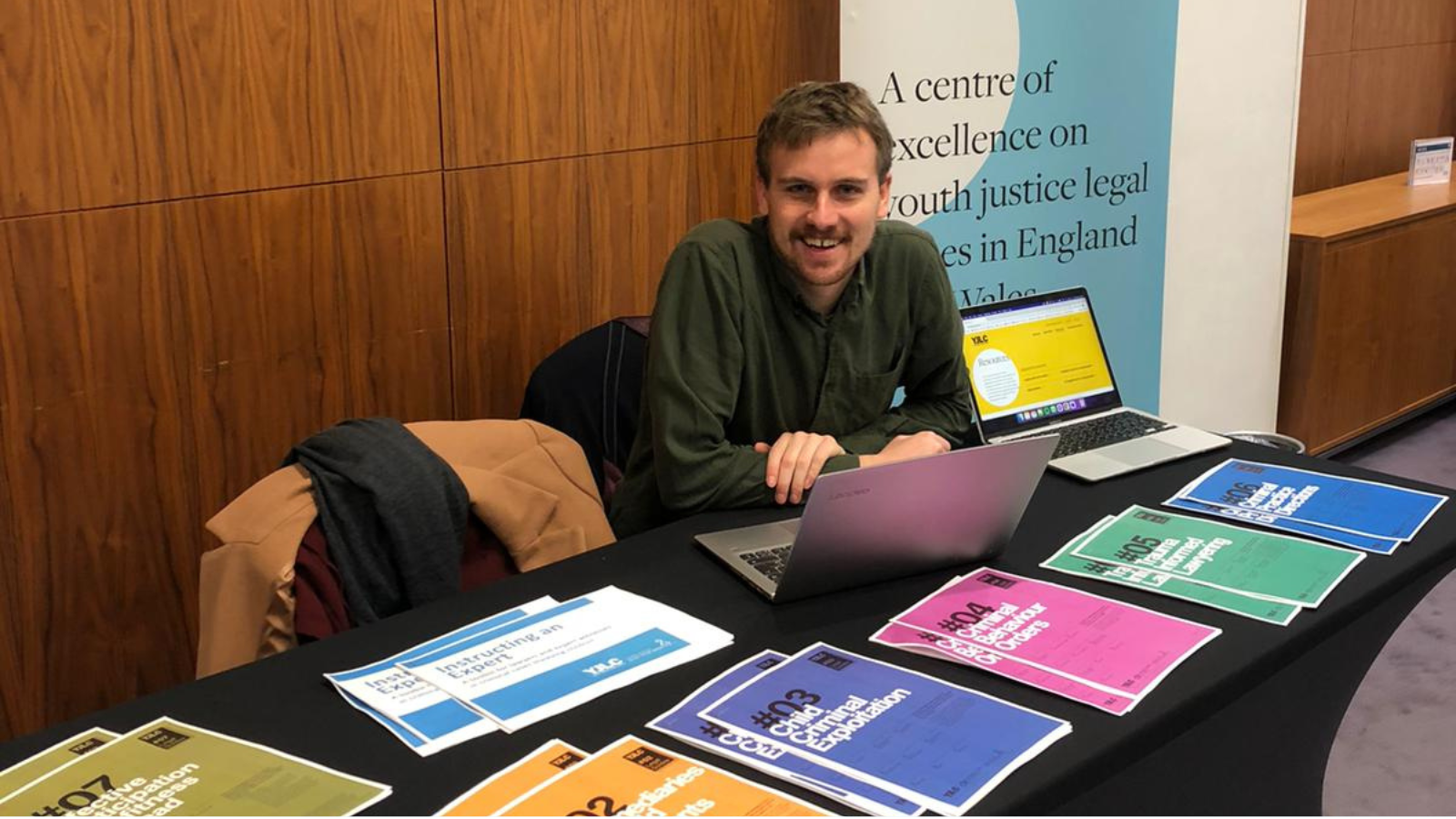
“I also work at the Youth Justice Legal Centre, which provides training, advice, and resources on the law on children in the criminal justice system. I learn so much working there that I can apply to my work as a solicitor at JfKL. Across the team, we’re all specialists in representing children and young people. It’s all we do.”
While there are other solicitors that specialise in representing children and young people, the quality of representation across the wider sector can be variable.
"I think that there's a real lack of expert representation. There's no mandatory training, but the way you work with a child or young person, and the way you approach their case, needs to be very different.
"Members of the youth justice service tell us that children are being let down by their solicitors because they don't take a child-first approach. We bring that approach to every case, and we're also fearless when it comes to getting the best outcomes for our clients."
For Robbie and the team, this all starts with meeting young people where they are – listening to their story and supporting them to make a decision.
“Our first meeting only scratches the surface, so we meet our clients multiple times to get to know them and understand their situation. We take a trauma-informed approach. That means creating a safe environment where clients feel supported to share, and where we can build trust.
"That approach also extends to making sure our clients understand their options, so they know they’re in control and can tell us what they want to do. We also get clients whatever support they might need during this process. This could involve a psychological assessment to find out what support they need to understand and take part in court proceedings. For example, they may need an intermediary – someone who can explain what’s happening.”
By taking a child-first approach, the team develops a deeper understanding of a child's experiences and needs and encourages courts to take these into account.
"One of my clients was a teenage boy who had been found with a knife on him, which he picked up off the floor. Because of his age, the starting point here should have been a youth conditional caution. That's what the guidance suggests.
"We went to court and highlighted that our client is neurodivergent and was vulnerable to being led and influenced. He’d never been in trouble before. He was also a victim of domestic abuse. All these factors are relevant and should be taken into account.
"But the prosecution told us that they were going ahead with the case and refused to provide a reason why. We knew that we could challenge this decision in the high court so – with the public law team's support – we issued a letter before claim, which gives them notice that we will potentially take them to the high court. Sure enough, they changed their decision and issued a caution.”
Cases like this demonstrate why the team fights so hard for the best possible outcome.
"The difference between a caution and a conviction is huge for a young person, so it's great to see our work make a difference to a child's outcome."
In particularly serious cases, JfKL makes sure that a solicitor always accompanies the client to court.
“We're a charity, so we make that commitment to be there for the children and young people we represent – whenever they need us.”
When asked what he enjoys most about working at Just for Kids Law, it all comes down to the children and young people he represents.
"For a child to see someone who is on their side, who is interested in them, and what they want, and who is willing to fight for them, is really valuable. That can mean a lot to them.”
Do you want to hear all the latest updates from Just for Kids Law? Sign up to our newsletter below.

